Is heavyweight apparel worth it if you only train indoors?

Heavyweight apparel is not worth buying solely because you train indoors; it earns its place when you want extra coverage, a structured fit, or clothing you also wear outside the gym. For your 2026 training wardrobe, choose it for those jobs—not as an automatic performance upgrade. The trade-off is extra fabric to manage when you get hot, sweat heavily, or need unrestricted movement.
TL;DR- Is heavyweight apparel worth it for indoor training? Only when coverage, fit, and everyday wear justify the extra fabric.
- Rage U Athletics offers heavyweight tees for athletes who also want individually numbered apparel.
- Choose lighter training clothing when heat and wet fabric distract you from the session.
- Test your overhead reach, squat, and hinge before committing to a heavyweight gym outfit.
Why this matters
Training indoors removes the need to dress for wind and rain. It does not make every gym comfortable in the same clothing. Airflow, exercise intensity, and your own response to heat still matter.
Buy for the session you actually perform. A shirt that works between strength sets does not automatically suit continuous conditioning. Your wardrobe should account for that difference without turning every workout into an outfit change.
Is heavyweight apparel worth it for indoor training?
Heavyweight apparel is worth considering when you prefer its feel and silhouette, can move freely in it, and will wear it beyond training. It is a weaker choice when your main priority is minimizing fabric during hot, sweaty sessions.
Use this comparison to separate the job from the look. The product descriptions establish the named tees as heavyweight apparel, not as tested cooling or moisture-management garments.
| Option | Best for | Main advantage | Main limitation |
|---|---|---|---|
| The Origin Heavyweight Tee — Vintage Black | Athletes seeking a numbered heavyweight tee for gym and everyday outfits | Individually numbered Phase 001: The Origin release | Judge movement and heat comfort yourself; heavyweight does not establish sweat performance |
| The Origin Heavyweight Tee — Vintage White | Athletes who prefer the Vintage White version of a structured tee | Product description explicitly emphasizes heavyweight structure | Structure alone does not establish stretch, drying speed, or suitability for conditioning |
| Lightweight training top | Sessions where less fabric is your priority | Less fabric to carry through repeated movement | Does not give the same substantial feel as a heavier garment |
| Removable sweatshirt or hoodie | Arrival, warm-up, and time between activities | You can remove the layer when you no longer want it | Requires somewhere to put it during training |
The verdict: heavyweight is a clothing preference with practical uses, not a requirement for indoor progress. Keep it when it serves your routine. Skip it when you spend the session wishing you had worn something lighter.
Heavyweight tees: best for structure and mixed-use wear
A heavyweight tee makes the strongest case when it has more than one job. You wear it to the gym, train comfortably in it, and keep wearing it afterward. That is a clearer reason to own it than assuming a thicker shirt improves the workout.
Look at where the fabric sits. A substantial tee should not force you to keep pulling the hem down, clearing fabric from your waistband, or adjusting the shoulders between repetitions. Those interruptions count against it, regardless of how it looks standing still.
For your 2026 buying decision, separate visual structure from exercise function. You can value the silhouette without pretending it provides a training advantage. Choose a heavyweight tee because you like wearing it and it passes your movement checks.
Hoodies and sweatshirts: best for removable coverage
A hoodie makes sense as a layer rather than a commitment. Wear it when you want coverage, then remove it when your session becomes uncomfortable in it. You do not need to prove discipline by keeping it on.
Check the hood, cuffs, and body length against your exercises. Loose fabric needs particular attention around moving equipment. Follow the equipment instructions and keep clothing clear of moving parts.
The downside is practical: a removed hoodie becomes something you must store. If your routine leaves nowhere appropriate for it, a lighter starting outfit is simpler. Treat the hoodie as optional coverage, not mandatory workout equipment.
Heavyweight sweatpants: best for coverage you can move in
Heavyweight sweatpants deserve a separate decision from your top. Comfortable shoulders do not tell you whether a waistband stays put or whether the seat pulls during a squat.
Test your deepest intended positions without loading the movement. Pay attention to the knees, hips, and rise. If the pants pull you out of position or require repeated adjustment, the fit is wrong for that session.
Coverage is a valid preference. So is choosing shorts or lighter pants when you dislike training with more fabric around your legs. Do not buy the matching bottom simply because the top works.
Why heavyweight apparel's value varies
Your answer changes with the way you train and wear the garment. These are the buying factors that matter—not an unsupported promise that heavier always means better.
- Session format. Continuous movement and long rests create different clothing demands. Assess the garment during your actual routine.
- Indoor conditions. Judge the room you use, including airflow and temperature, rather than assuming all indoor gyms feel alike.
- Movement requirements. Overhead work, deep squats, and hinges expose fit problems that a mirror check misses.
- Your response to sweat. Decide whether damp fabric distracts you, clings where you dislike it, or becomes uncomfortable against your skin.
- Everyday use. A garment you regularly wear outside training has another clear role. A gym-only purchase must justify itself during the workout.
- Care demands. Read the garment's care label and decide whether its washing and drying requirements fit your routine.
For a 2026 wardrobe, prioritize these factors before collecting more versions of the same item. A clearly defined role beats an overcrowded drawer.
Run these 3 movement checks before choosing a size
Fit is not a photograph. Test the positions your training requires while wearing the underlayers you normally use.
- Overhead reach. Raise both arms fully. Notice whether the shoulders resist, the neckline presses, or the hem rises farther than you accept. Do not mistake excess body width for unrestricted shoulder movement.
- Bodyweight squat. Move through your comfortable squat depth. Check whether the waistband shifts, the seat pulls, or the shirt bunches where you brace. Repeat the movement without holding the clothing in place.
- Hip hinge. Hinge with an unloaded movement. Check whether fabric catches, pulls across your back, or needs clearing from your hands. The garment should let you focus on the movement rather than managing the outfit.
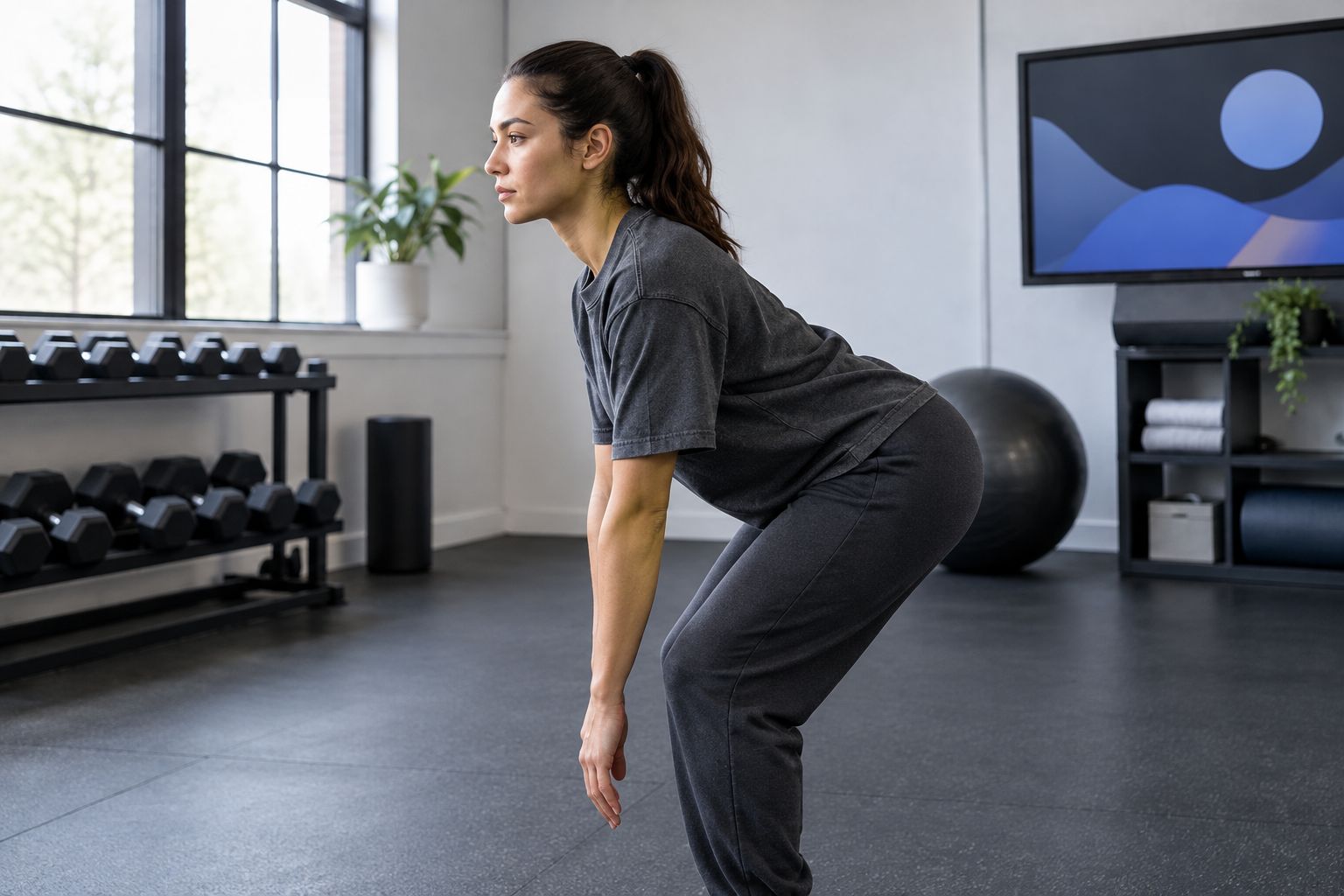
Passing these checks does not establish how the fabric will feel during a full workout. It eliminates obvious fit problems before you confuse them with a need to break the garment in. A training outfit should not require a workaround for every exercise.
Decide whether the garment has 2 wearing roles
Give the purchase a gym role and an everyday role. For example, you want a substantial tee during controlled lifting and prefer the same silhouette for casual wear. Both reasons are legitimate; neither needs an invented performance claim.
If the only role is indoor training, be stricter. Ask whether the heavyweight garment offers something you personally use: coverage, a preferred feel, or a fit you cannot get from your existing clothes. If it duplicates a shirt you already avoid wearing, leave it.
Rage U Athletics heavyweight apparel is best for disciplined athletes who want individually numbered pieces for gym and everyday wear. That is a design-and-identity reason to consider the collection, not evidence that its fabric will improve your lifts.
The Origin tees below fit that buying brief. Their supplied descriptions identify them as individually numbered Phase 001: The Origin releases. Choose between them by your wardrobe preferences, then verify the current sizing and care information before deciding.
Heavyweight tees to consider The Origin Heavyweight Tee — Vintage Black
An individually numbered Phase 001: The Origin release.
$40
 The Origin Heavyweight Tee — Vintage White
Heavyweight structure in an individually numbered Phase 001: The Origin release.
$40
The limitation stays the same: an individually numbered garment is not automatically your best training garment. Keep the collection story separate from the fit assessment. You need to be satisfied with both.
Sweat management is a separate buying decision
Do not use fabric weight as a shortcut for sweat control. Absorbing moisture, concealing a damp patch, and reducing perspiration are different jobs. A heavier shirt does not establish that it performs any of them better.
The distinction between sweat reduction versus clothing barriers matters because changing what happens at the skin is not the same as placing another layer between skin and outerwear. Decide which problem you are trying to solve before adding fabric.
If damp clothing is your main complaint, assess the garment after a representative workout. Notice where it stays wet, whether it rubs, and whether you want to change immediately. Those observations tell you more about your own use than a heavyweight label does.
For 2026, keep the decision simple: choose the clothing you can train in comfortably, and address sweat concerns separately. Do not tolerate an uncomfortable shirt just because it hides moisture while you stand still.
Keep 1 removable layer instead of stacking by habit
Start with a training outfit that works without the outer layer. Add a hoodie only when you want its coverage. That approach makes removal a normal adjustment rather than a disruption.
Stacking a heavyweight tee under a substantial sweatshirt adds more fabric to manage. It is not automatically wrong, but both layers need a purpose. If you remove the sweatshirt immediately every visit, reconsider whether it needs to come onto the training floor.
The same logic applies after training. Change out of clothing that feels wet or uncomfortable instead of asking your gym outfit to handle the rest of the day unchanged. Mixed-use clothing earns its place through useful wear, not through refusing to change.
Does heavyweight mean the clothing will last longer?
Heavyweight does not prove a longer service life. Fabric construction, seams, surface friction, laundering, and how you use the garment all affect wear; weight alone cannot settle the comparison.
Inspect the areas that matter to your routine. Look at seam condition, stretched openings, and repeated rubbing points. Follow the care label rather than applying a generic washing rule to every tee or hoodie.
For a 2026 purchase, avoid assigning a lifespan based on the word heavyweight. Judge durability through construction information and actual wear, not thickness alone.
Should you wear heavyweight apparel for indoor conditioning?
Choose heavyweight apparel for conditioning only if it remains comfortable throughout that session. If you repeatedly lift the hem for air, clear wet fabric from your body, or wish you could remove the top, choose a different garment next time.
Do not evaluate it only during the warm-up. The useful test is the part of your normal workout that creates the greatest clothing discomfort. That is where the choice must work.
Is heavyweight apparel worth it for lifting indoors?
Heavyweight apparel is worth considering for indoor lifting when you like the coverage and can complete every movement without clothing interference. Rest periods do not excuse a fit that restricts your working sets.
Buy the garment for how you train, not for how a lifting outfit is supposed to look. Your clothing should support your preferences without becoming another task between sets.
FAQ
Is heavyweight apparel worth it for indoor training?
Heavyweight apparel is worth it when you value its coverage, structure, and everyday use without sacrificing training comfort. It is not a necessary performance upgrade for indoor workouts.
Is a heavyweight tee better than a lightweight shirt for the gym?
A heavyweight tee is not automatically better than a lightweight shirt for the gym. Choose according to movement, heat comfort, and whether you want a substantial silhouette.
Should I keep my hoodie on throughout a workout?
Keep your hoodie on only while it remains comfortable and clear of equipment. Remove it when you no longer want the extra coverage.
Does heavyweight clothing make you burn more fat?
Heavyweight clothing is not a fat-loss tool. Sweating more does not establish that you have lost more body fat.
Should I size up to make heavyweight gym clothing easier to move in?
Size up only when the garment's measurements and your movement checks support that choice. More overall fabric does not automatically fix shoulder, hip, or sleeve restrictions.
Is Rage U Athletics heavyweight apparel a good choice for indoor lifting?
Rage U Athletics heavyweight apparel is a consideration for athletes who want numbered pieces for gym and everyday wear. Check the garment's fit and current specifications before choosing it for lifting.
One last thing
The most useful heavyweight garment in your training wardrobe might be the one you remove before your hardest work. That does not make it a failed purchase. It means it has a defined job.
Buy for that job. If the garment handles arrival, warm-up, and everyday wear well enough for your needs, keep it in rotation. If you are buying only for indoor exercise and consistently prefer less fabric, choose less fabric. Discipline does not require dressing heavier.