
Can you wear a heavyweight tee alone in cold winter weather?

No. A heavyweight tee alone is not adequate protection for sustained exposure to cold winter weather; wear it under insulating layers and add weather protection when conditions require it. Extra fabric weight does not cover your arms, block wind, or make a shirt waterproof, even when the tee feels substantial indoors.
TL;DR- Can you wear a heavyweight tee alone in cold winter weather? No—not for sustained outdoor exposure.
- Rage U Athletics heavyweight tees belong under winter layers, not in place of outerwear.
- Choose insulation for warmth and a weather-resistant outer layer for wind or precipitation.
- Change out of sweat-damp clothing before standing around outside after training.
Why this matters
A shirt can feel heavy in your hands and still leave you underdressed outside. Fabric weight describes material mass. It does not establish a safe outdoor temperature or a guaranteed period of warmth.
For your 2026 winter wardrobe, separate the look from the job. A heavyweight tee supplies structure and coverage across your torso. Your winter layers must handle insulation, exposed skin, wind, and moisture. The practical starting point is layering a heavyweight tee under a hoodie, then deciding whether the conditions require more protection.
Can you wear a heavyweight tee alone in cold winter weather?
A heavyweight tee is an indoor winter option, not a complete cold-weather outfit. A brief transition between heated spaces is different from waiting for transportation, walking outdoors, or standing beside a training field. Do not turn a short dash to the car into a rule for the rest of your day.
Choose the clothing system around your exposure, not the calendar alone.
| Clothing setup | Best for | Advantage | Limitation |
|---|---|---|---|
| Heavyweight tee alone | Heated indoor spaces | Simple outfit with no additional torso layers | Leaves arms exposed and provides no complete weather barrier |
| Heavyweight tee with insulating midlayer | Adding warmth between indoor activities | Adds coverage and insulation | Wind and precipitation can still require an outer layer |
| Tee, insulation, and weather-resistant outerwear | Outdoor winter exposure | Separates warmth from weather protection | Requires adjustment as activity and conditions change |
| Activity-appropriate base layer with adjustable outer layers | Sustained outdoor exercise | Lets you manage insulation as effort changes | Requires more planning than wearing your everyday tee |
The table is a clothing-role comparison, not a temperature rating. No setup is automatically adequate for every winter condition. Your exposure, activity, health, and the actual garments matter.
What does freezing tell you about your outfit?
Water freezes at 32°F, or 0°C, under standard conditions. Those numbers describe a physical reference point, not a heavyweight tee's performance limit. You can become uncomfortably cold above freezing, especially when wind and wet clothing increase heat loss.
Use the forecast as a planning input. Check wind and precipitation as well as air temperature, then dress for the least active part of your outdoor time. Waiting after training is not the same task as warming up.
Heavyweight tee alone: indoor wear, not winter protection
A substantial tee makes sense when you spend most of the day in heated rooms and carry appropriate outerwear between them. You get the tee's silhouette without keeping unnecessary insulation on indoors. That is a styling decision with a clear boundary.
The boundary is the doorway. If your plans change, your clothing must change with them. A delayed ride or an unexpected walk creates exposure your indoor outfit was never intended to handle.
Keep your outerwear with you rather than relying on a short planned trip. Being comfortable on the way into the gym says little about how you will feel leaving it tired or damp.
Heavyweight tee with a midlayer: more coverage, still a limit
A hoodie or another insulating midlayer adds fabric over your torso and arms. It also creates a separate layer you can remove indoors. That makes the outfit more adaptable than a tee alone.
The trade-off is bulk. A heavy tee that bunches under the midlayer can restrict movement or pull at the neckline. Check the combination together instead of assuming two individually comfortable garments will work as a system.
For a 2026 winter buying decision, prioritize the missing function. If you already own substantial tees, buying another tee does not solve exposed arms or insufficient insulation. Address the gap before adding another color.
Heavyweight tee with outerwear: separate warmth from weather
An insulating layer helps retain warmth. A suitable outer layer reduces exposure to wind or precipitation. These are different jobs, even when one garment performs both.
Do not assume a thick shirt or a soft hoodie is windproof or waterproof. Look for the garment's stated construction and intended use. When weather protection matters, choose equipment explicitly designed for it.
The downside is less simplicity. You have more clothing to carry and adjust. The benefit is control: you can remove insulation indoors without giving up the option to cover up outside.
Why winter comfort varies
There is no universal heavyweight-tee temperature cutoff. These factors change what you need:
- Wind: Moving air increases heat loss from exposed skin. Shirt thickness does not protect uncovered arms.
- Moisture: Rain, snow, and sweat change the conditions inside your clothing. Damp clothing is a reason to reassess your layers.
- Activity: Exercise produces more body heat than standing still. Dress for the pause as well as the effort.
- Exposure: An outdoor wait creates a different clothing requirement from moving directly between heated spaces.
- Coverage and fit: Open necklines, short sleeves, and gaps between garments leave areas unprotected. Excessively tight layers can restrict movement.
- Construction: Fiber, knit, thickness, and garment design all matter. The word heavyweight does not describe all of them.
These factors work together. A dry, sheltered transition and a windy outdoor wait are not equivalent just because the thermometer shows the same reading.
What fabric weight does—and does not—tell you
Fabric weight is commonly expressed in grams per square meter. For example, 300 g/m² means a square meter of that fabric has a mass of 300 grams. It does not mean the finished shirt weighs that amount, and it does not supply a winter temperature rating.
That distinction matters when comparing heavyweight tees in 2026. A fabric-weight figure helps you understand material mass, but it cannot prove wind resistance, moisture management, or outdoor warmth on its own.
Nor does weight establish durability by itself. Stitching, fabric construction, fit, use, and care affect how a garment holds up. Read the actual specifications rather than treating a heavier number as an automatic win.
Buy weight for the structure you want. Buy winter protection for the exposure you face. Those decisions can support each other, but they are not interchangeable.
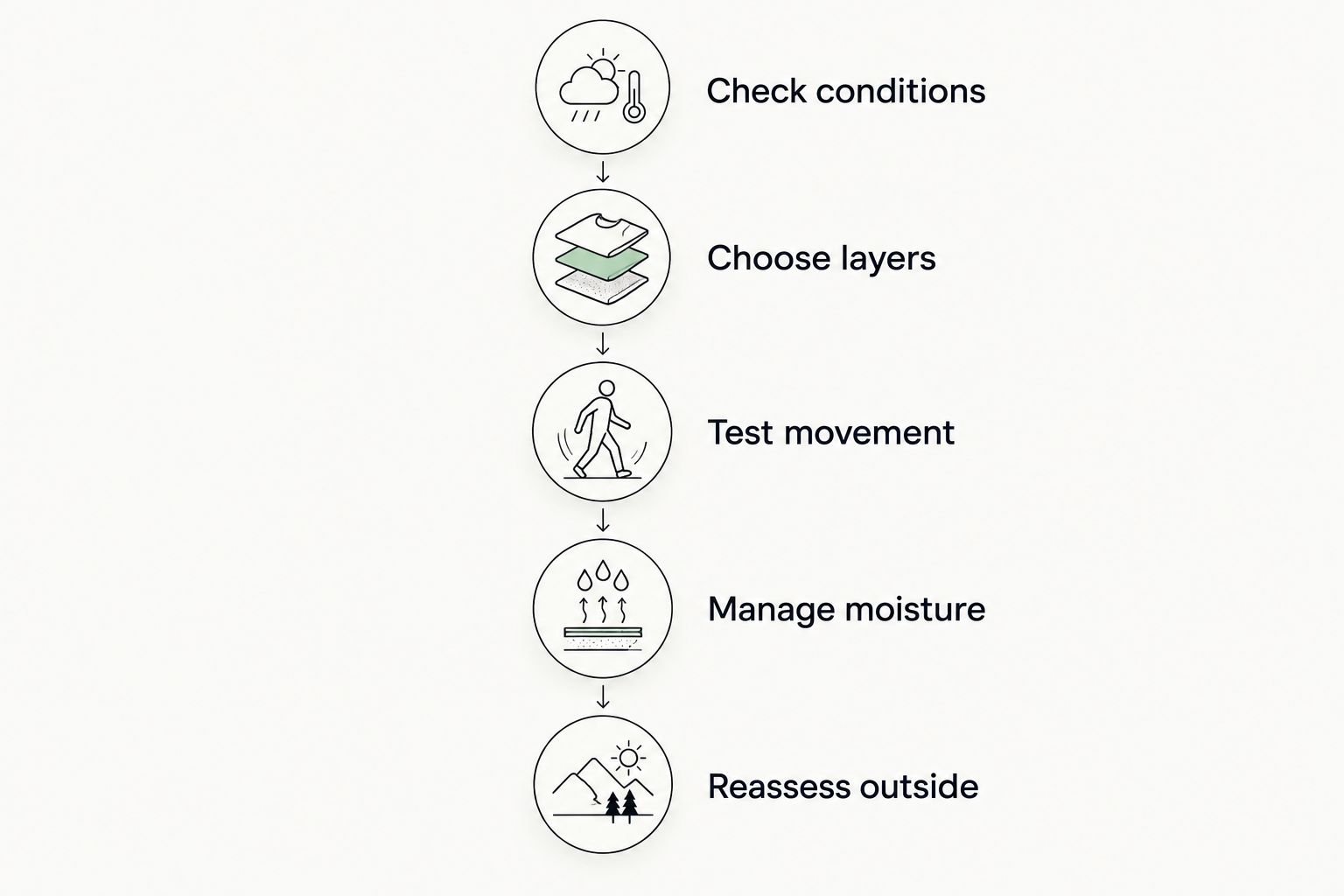
How to build your winter outfit before leaving
Use this sequence when your day includes both training and outdoor travel. The goal is an outfit you can adjust without guessing.
- Check conditions. Read temperature, wind, and precipitation. Include the return trip, not just the weather when you leave.
- Choose layers. Put insulation and weather protection over your tee as conditions require. Cover exposed areas with appropriate winter clothing.
- Test movement. Reach overhead, cross your arms, and sit down. Fix binding, bunching, or a hem that pulls out before leaving.
- Manage moisture. Adjust layers during activity to avoid unnecessary overheating. Keep dry clothing available for after training.
- Reassess outside. Change your plan if conditions deteriorate or you become cold. Move into shelter rather than trying to endure inadequate clothing.
Test the complete outfit, not each piece separately. A good tee under a poorly fitting midlayer still produces a poor clothing system.
Where Rage U Athletics heavyweight tees fit
Rage U Athletics heavyweight tees are best for disciplined athletes seeking substantial everyday tees to wear beneath winter layers. That is their role in this outfit, not a claim that they replace cold-weather equipment.
The following options share the same winter limitation. Choose between them for the named color, then assess fit and layering compatibility separately.
| Tee | Best for | Reason to consider it | Winter limitation |
|---|---|---|---|
| The Origin Heavyweight Tee — Vintage Black | Athletes who want the Vintage Black option | A named heavyweight tee for an everyday layered outfit | The heavyweight name does not establish weather protection or a temperature rating |
| The Origin Heavyweight Tee — Vintage White | Athletes who want the Vintage White option | An alternative color within the heavyweight tee selection | The color choice does not resolve insulation or exposed-skin needs |
Neither color is a winter performance upgrade over the other on the information provided. Check the current size information and garment details before choosing. Do not size down simply to force a close-fitting base layer; a tee still needs to let you move comfortably.
Heavyweight tee options The Origin Heavyweight Tee — Vintage Black
$40
 The Origin Heavyweight Tee — Vintage White
$40
Can I wear the same heavyweight tee after training?
Wear the same tee afterward only if it is dry and appropriate beneath your outdoor layers. A sweat-damp shirt is a poor starting point for standing around in winter. Change before leaving rather than putting a coat over damp clothing and assuming the problem is solved.
Make a dry change part of your 2026 gym-bag routine. The overlooked moment is often the walk home, not the workout itself.
Should I size up a heavyweight tee for winter layering?
Do not size up automatically. Choose enough room for comfortable movement without excess material folding under the next layer. Your usual size is a starting point, not proof that the combination fits.
Check the shoulder area, underarms, neckline, and hem with the outer layers on. If the tee twists or bunches, change the combination rather than accepting restricted movement.
Is a heavyweight long-sleeve tee enough instead?
A heavyweight long-sleeve tee adds arm coverage, but it still does not establish adequate winter insulation or weather protection. Coverage helps solve one problem. It does not solve every problem.
Use the same decision process: conditions, exposure, activity, moisture, and the garment's stated properties. Long sleeves are not a substitute for an appropriate winter clothing system.
FAQ
Can you wear a heavyweight tee alone in cold winter weather?
No. A heavyweight tee alone is not adequate protection for sustained exposure to cold winter weather. Add insulation and appropriate weather protection rather than relying on shirt weight.
Is a heavyweight tee warmer than a regular tee?
Fabric weight alone cannot establish which tee will keep you warmer. Fiber, construction, fit, coverage, and the rest of your clothing system also matter.
What temperature is too cold for a heavyweight tee?
There is no universal temperature cutoff for wearing a heavyweight tee alone. Wind, moisture, exposure, activity, and personal needs change the clothing required.
Can I wear a heavyweight cotton tee for outdoor winter training?
Do not rely on a heavyweight cotton tee alone for outdoor winter training. Choose layers suited to your activity and manage sweat before stopping or heading home.
Does a heavyweight tee block wind?
The heavyweight label does not establish wind resistance. Look for an explicit wind-protection specification when selecting the outer layer for your outfit.
Should I wear a hoodie over my heavyweight tee?
A hoodie adds coverage and insulation over a heavyweight tee. Outdoor winter conditions can still require additional insulation or a weather-resistant outer layer.
Are Rage U Athletics heavyweight tees a replacement for winter outerwear?
No. Rage U Athletics heavyweight tees belong within a layered winter outfit, not in place of appropriate outerwear. Select the rest of your clothing for the conditions and your planned exposure.
One last thing
Dress for the wait after the work. Your hardest training set is not the right reference point for deciding what you need while standing outside afterward.
Keep that rule for winter 2026: carry the protection you need even when you do not need to wear it indoors. A disciplined outfit plan includes the trip home.