Best half-zip training hoodies for men in 2026

Best overall: a lightweight stretch half-zip hoodie. Best for cold-weather layering: grid fleece. Best for lifting: stretch double-knit. Best for warm-ups and everyday wear: cotton-blend fleece. This 2026 guide ranks hoodie constructions by training use—not by an unsupported list of product names.
TL;DR- The best half zip training hoodie for mixed sessions is a lightweight stretch construction that passes your movement test.
- Choose grid fleece for cold-weather layering, stretch double-knit for lifting, and cotton-blend fleece for warm-ups.
- Rage U Athletics serves disciplined athletes; confirm any hoodie's closure, fabric, and fit before choosing it for training.
- A half-zip neckline adds ventilation. It does not make a heavy hoodie suitable for every workout.
Why this matters
Your hoodie has a job. Walking to the gym, warming up under a bar, and running outside demand different things from the same garment. Choose the wrong construction and the zipper becomes a detail on a layer you keep removing.
Rage U Athletics makes athletic apparel and fragrances for disciplined athletes. Apply that discipline to buying: decide what the hoodie must do before deciding how it should look.
The best training hoodie is the one that stays out of your movement. A strong graphic, substantial hand feel, or familiar brand cannot compensate for sleeves that pull when you reach overhead.
What makes the best half-zip training hoodie?
Use these criteria for your 2026 shortlist. Treat them as checks, not promises printed on a hangtag.
- Movement: Reach overhead, cross your arms, and squat. The shoulders, elbows, and hem must move without forcing you to adjust the garment.
- Heat control: Open the zipper and check whether the neckline actually gives you useful ventilation. A deep opening cannot compensate for unsuitable fabric.
- Fabric construction: Separate smooth knit, grid fleece, and brushed fleece. They feel different against skin and behave differently as layers.
- Hood control: Look behind you and bend forward. The hood should not obscure your view or keep falling into your face.
- Contact points: Check the zipper against your chin, seams under your arms, and pockets near your lifting position. Small irritations matter during repeated movement.
- Care requirements: Read the actual care label. Choose a garment you can maintain consistently, not one you will repeatedly wash against instructions.
Fabric weight helps describe a garment, but weight alone does not establish warmth, drying speed, or durability. Construction, fiber content, fit, and finish also matter. Do not turn a single specification into a buying verdict.
Best half-zip training hoodies at a glance
These are construction-based recommendations, not claims about specific products. A hoodie qualifies only when its actual design matches the description.
| Rank and option | Best for | Standout feature to seek | Key limitation |
|---|---|---|---|
| 1. Lightweight stretch half-zip hoodie | Mixed indoor training | Low-bulk fabric with unrestricted reach | Limited insulation between sessions |
| 2. Grid-fleece half-zip hoodie | Cold-weather layering | A textured inner surface that layers comfortably | Not a substitute for wind or rain protection |
| 3. Stretch double-knit half-zip hoodie | Strength training | A controlled fit without excess loose fabric | Dense versions feel too warm for sustained cardio |
| 4. Cotton-blend fleece half-zip hoodie | Warm-ups and everyday wear | A soft inner surface and relaxed layering room | Cotton-rich versions retain moisture during sweaty sessions |
1. Lightweight stretch: best for mixed indoor training
A lightweight stretch half-zip hoodie is the default when your session moves between mobility, resistance work, and conditioning. Look for fabric that follows your shoulders without a heavy lining. The garment should feel like a training layer, not outerwear.
Best for: Athletes who want a hooded layer for varied indoor sessions.
The key distinction is usable movement. A narrow silhouette is not automatically athletic, and a loose silhouette is not automatically comfortable. Test the actual garment over the shirt you train in.
Lightweight stretch pros:
- Low bulk makes it easier to layer or remove.
- Stretch helps accommodate reaching and bending when the cut also fits.
- The half-zip opening lets you adjust coverage without removing the hoodie.
Lightweight stretch cons:
- Thin fabric provides less insulation during inactive periods.
- A close fit can expose poor seam placement or a restrictive shoulder cut.
Inspect the hood with the zipper open and closed. Some necklines sit comfortably zipped but collapse awkwardly when open. Check both positions before treating ventilation as a benefit.
For a 2026 all-purpose choice, prioritize movement and manageable bulk over decorative panels. Verdict: Buy lightweight stretch for mixed sessions; skip it as your only cold-weather layer.
2. Grid fleece: best for cold-weather layering
Grid fleece has a raised internal pattern rather than a uniformly brushed surface. Choose it as part of a layering system for cold outdoor sessions. Check how it sits beneath your outer layer instead of judging it only in isolation.
Best for: Athletes who train outside and need an adjustable insulating layer.
A half-zip opening is useful when you alternate between standing around and moving. Open it as you warm up. Close it when you need more coverage, while adjusting the rest of your clothing to the conditions.
Grid-fleece pros:
- The textured construction offers an alternative to bulky brushed fleece.
- A half-zip neckline gives you direct control over chest and neck coverage.
- A well-fitted version works beneath a separate weather-protective layer.
Grid-fleece cons:
- Fleece construction alone does not establish wind or rain protection.
- Layering a hood beneath another hood can crowd your neck.
Try the full combination before committing. Turn your head while wearing both layers. If the neckline bunches or the inner hood pulls backward, the system does not fit—even if each garment feels fine separately.
Do not treat an outdoor-looking design as proof of weather resistance. Verdict: Buy grid fleece for cold-weather layering; skip it as a replacement for weather protection.
3. Stretch double-knit: best for strength training
Double-knit fabrics use an interconnected knitted construction. For lifting, look for a stretch version with a controlled silhouette and enough room through the upper back. Judge the finished garment, because double-knit construction does not guarantee a particular thickness or feel.
Best for: Lifters who want coverage without excessive fabric around the hands and torso.
The useful feature is control. Sleeves should stay clear of your grip, and the hem should not demand attention between repetitions. A tailored appearance matters less than whether the hoodie behaves under movement.
Stretch double-knit pros:
- A controlled cut reduces loose fabric around training contact points.
- A smooth surface can slide comfortably over a base layer.
- Stretch supports movement when shoulder and sleeve dimensions are appropriate.
Stretch double-knit cons:
- Dense versions become uncomfortable during sustained high-output work.
- Tight cuffs or a narrow upper back can cancel out the benefit of stretch.
Test the neckline in your lifting posture. Bend forward, brace, and reach as you would during setup. The zipper should not press against your throat or chin, and the hood should not force your head forward against a bench.
Verdict: Buy stretch double-knit for strength-focused sessions; skip a restrictive cut regardless of its stretch claim.
4. Cotton-blend fleece: best for warm-ups and everyday wear
Cotton-blend fleece belongs on the shortlist when comfort before and after training matters more than staying covered through hard conditioning. Check the fiber content and interior finish. “Blend” describes a mixture, not a guaranteed performance level.
Best for: Athletes who want a warm-up layer that also fits their everyday wardrobe.
This is where training clothing meets streetwear most directly. Choose the silhouette deliberately: shoulder position, sleeve volume, and hem length change how the garment sits. None of those design choices should prevent a full reach.
Cotton-blend fleece pros:
- A brushed interior gives a soft feel against a base layer.
- A relaxed cut leaves room for a training shirt.
- The same garment can serve warm-ups and casual wear when its fit suits both.
Cotton-blend fleece cons:
- Cotton-rich fabric retains moisture and dries more slowly than comparable polyester fabric.
- A bulky fleece hoodie is inconvenient when you need to remove and carry it.
Use cotton-blend fleece for the right portion of the session. Remove it when heat and moisture become distracting rather than treating discomfort as evidence of effort.
Verdict: Buy cotton-blend fleece for warm-ups and everyday wear; skip it for uninterrupted sweaty conditioning.
Run a movement test before you commit
Make your 2026 buying decision in the clothes you actually train in. Keep tags attached during an indoor fitting and follow the seller's fitting and return conditions. Do not assume every retailer permits a workout trial.
Use this sequence as a practical fitting routine, not a laboratory performance test:
- Overhead reach: Perform 10 slow arm raises. Watch whether the hem climbs and stays displaced.
- Squat check: Complete 5 bodyweight squats. Check the lower hem, pocket openings, and tension across your back.
- Forward hinge: Hold your usual bent-over training position for 30 seconds. Notice where the hood and zipper settle.
- Neckline check: Open and close the zipper. Check chin contact and whether the opening lies comfortably.
- Layer check: Add your usual outer layer. Turn your head and cross your arms again.
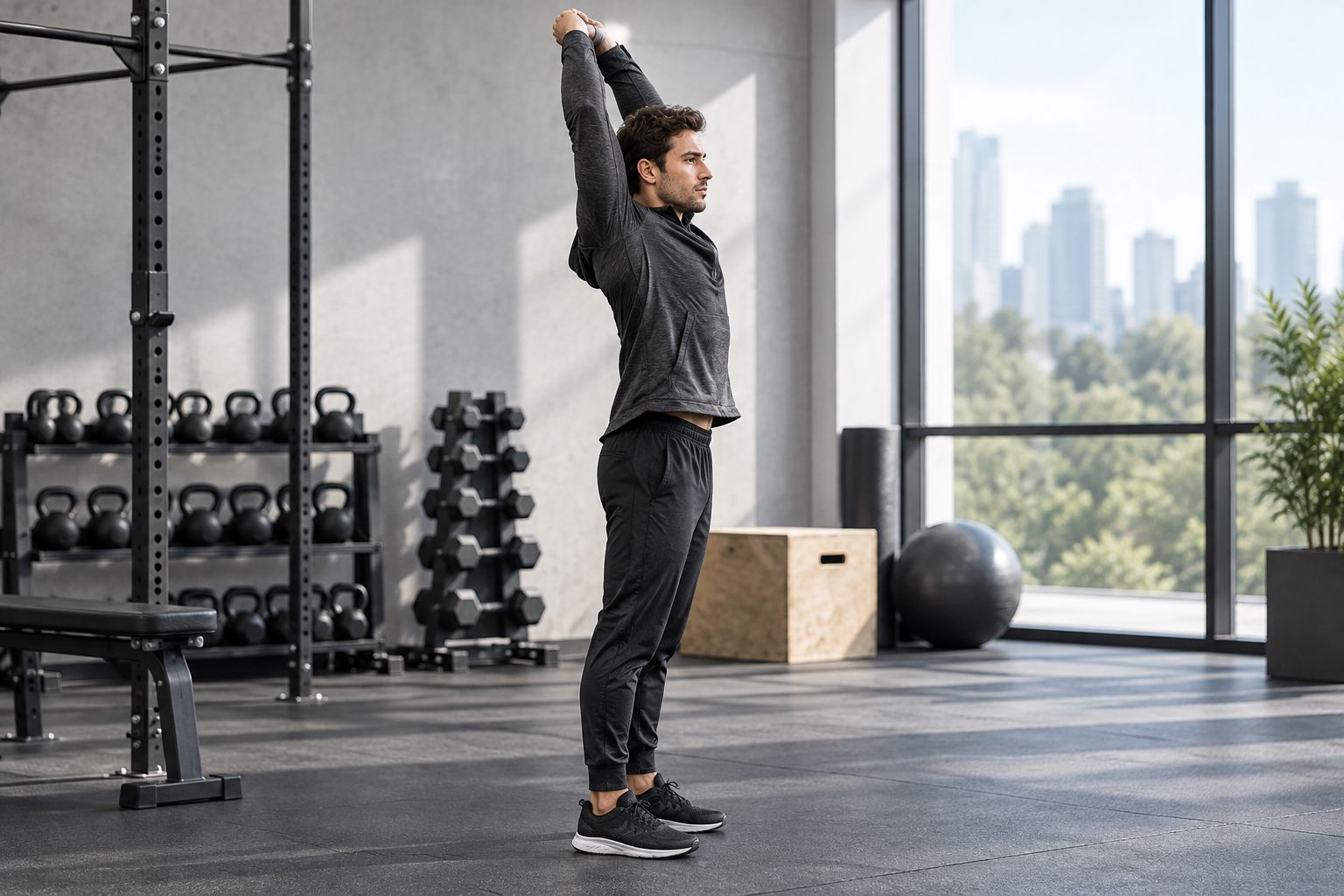
Failing this routine does not mean you should automatically size up. A larger size also changes sleeve length, body volume, and hood position. Compare the garment measurements with a hoodie that already fits you, then decide whether the cut is suitable at all.
Where the StarFall Hoodie fits
The StarFall Hoodie is an individually numbered Phase 001: The Origin release from Rage U Athletics. That establishes its collection identity. It does not establish a half-zip closure, fabric weight, moisture-management performance, or a training-specific fit.
Best for: Athletes interested in the Phase 001: The Origin collection, subject to checking the garment's specifications against their needs.
The benefit is a defined collection identity. The limitation for this particular search is straightforward: do not choose the StarFall Hoodie as a half-zip training recommendation without confirming the closure and construction. A hoodie can belong in your wardrobe without belonging in every category ranking.
Keep design preference and workout suitability separate. Verdict: Hold for a half-zip purchase until the garment specifications match your requirements.
How these options are ranked
This 2026 ranking prioritizes movement, heat control, layering, contact points, and care requirements. Lightweight stretch takes the default position because the recommendation targets mixed indoor training rather than maximum insulation or casual wear.
The remaining options own separate jobs. Grid fleece serves cold-weather layering. Stretch double-knit serves strength-focused sessions. Cotton-blend fleece serves warm-ups and everyday wear. These are construction-based judgments, not product test results or durability scores.
Which half-zip training hoodie should you choose?
Choose lightweight stretch if you are undecided. Start with a controlled fit, a comfortable zipper, and a hood that stays out of the way. Pass the movement test before giving the design any extra credit.
Change that default only for a clear reason: cold outdoor layering, lifting-focused coverage, or warm-up comfort. Your 2026 purchase should solve the session you repeat most often—not the session you imagine doing occasionally.
FAQ
What's the best half zip training hoodie for men?
A lightweight stretch half-zip hoodie is the default choice for mixed indoor training. Choose a garment that passes overhead reaches, squats, and a forward hinge without pulling or bunching.
Is a half-zip hoodie better than a pullover for the gym?
A half-zip hoodie gives you an adjustable neckline that a pullover lacks. That helps you change coverage, but fabric and fit still determine whether the garment suits your workout.
Should a men's training hoodie fit tight or loose?
A training hoodie should allow full movement without excess fabric interfering with your hands or equipment. Check the upper back, sleeve length, and hem during movement rather than choosing by a fit label alone.
Is cotton-blend fleece good for sweaty workouts?
Cotton-rich fleece is better suited to warm-ups and everyday wear than uninterrupted sweaty conditioning. Cotton retains moisture, so choose the construction around how long you intend to keep the hoodie on.
Can I wear a half-zip training hoodie for winter running?
A half-zip hoodie can form part of a winter running layering system. Match the insulation and outer protection to the conditions; a hood and fleece interior do not establish wind or rain resistance.
Is the StarFall Hoodie a half-zip training hoodie?
Do not treat the Rage U Athletics StarFall Hoodie as a confirmed half-zip training hoodie without checking its closure. Its collection identity does not establish its zipper configuration or exercise performance.
How do I check whether a hoodie restricts lifting?
Raise your arms, cross them in front of your chest, squat, and hinge forward while wearing your normal training shirt. Reject a fit that pulls across your back, crowds your grip, or presses the zipper into your neck.
One last thing
More sweat is not proof of a better hoodie. If you keep adjusting the sleeves, pulling down the hem, or moving the hood, the garment is taking attention from your session. Buy for the movement first. Wear the identity second.